战 国
Fragments from the tomb
Alternating weave, cut and folded edges — a grammar of construction that has barely changed.
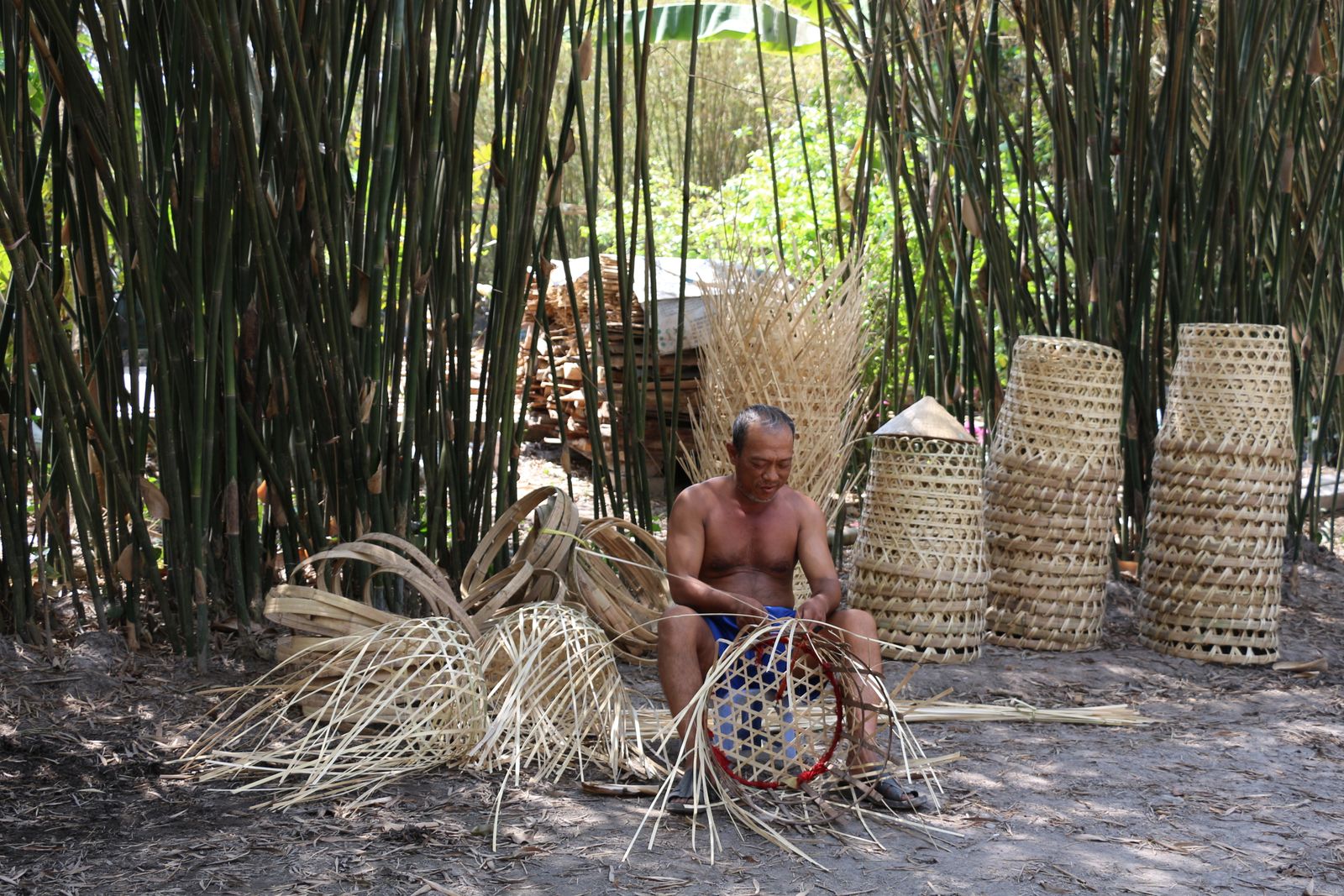
The Longshu tribute mat · 龙舒贡席
In the cold months, when the sap sleeps, the bamboo is cut. What follows is fifteen unhurried processes, a lineage of hands, and a mat that carries both a history and a room.
Before it is an object, the Longshu mat is a way of paying attention — to a season, a grove, a strip of bamboo, and the patience of the person who splits it.
The mats woven in Shucheng, in the old Huai River country of Anhui, have been called Longshu gongxi — the Longshu tribute mat — for centuries. The name is a record of place and obligation: bamboo cut from the shady riverbanks, split fine enough to fold, woven into a surface cool in summer and warm in winter.
What makes the craft remarkable is not a single dramatic gesture. It is the accumulation of small, repeatable decisions: which culm to leave standing, which strip to discard, how thin the edge can become before it tears. Ten thousand of those decisions, held in a single mat.
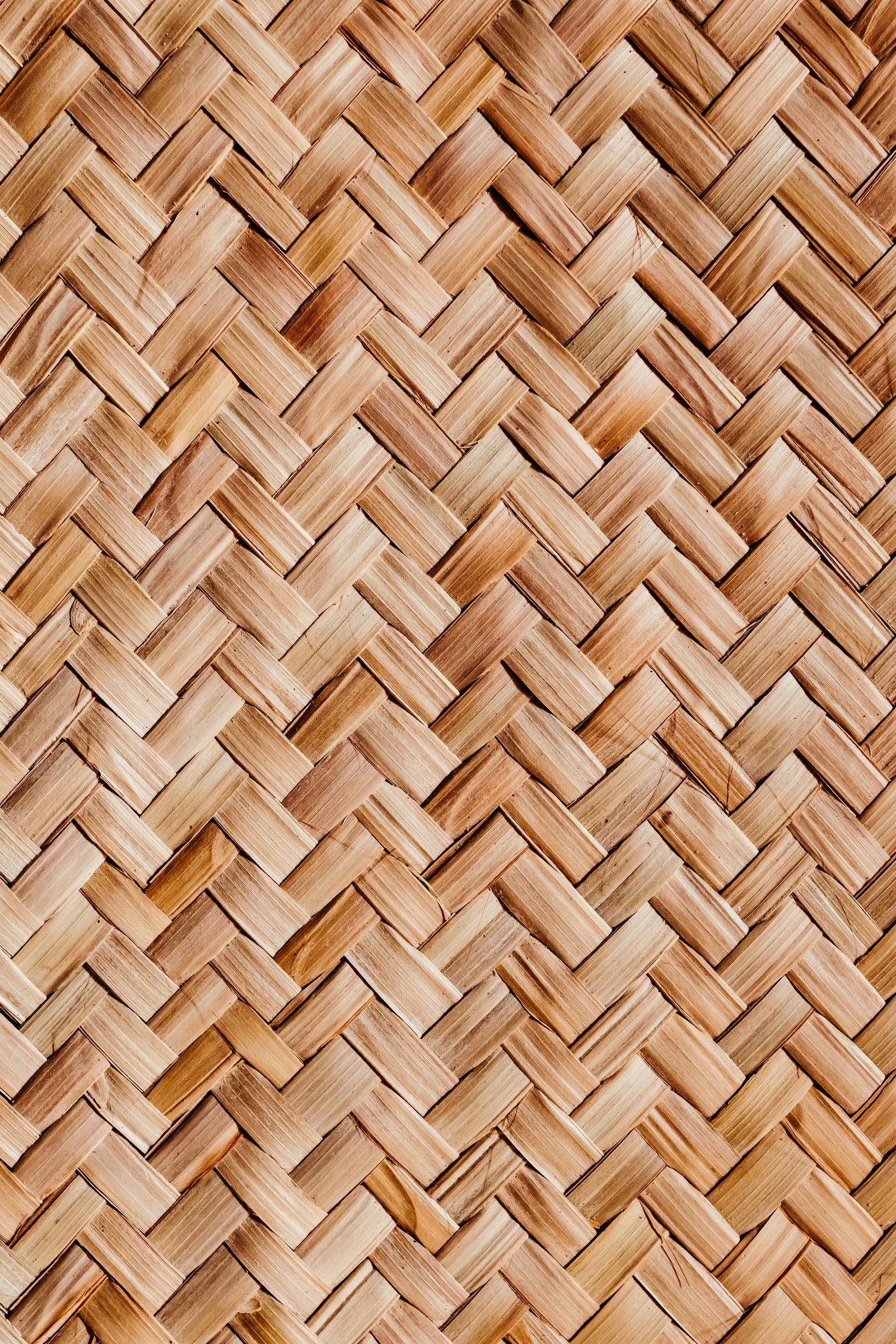
Deep winter is the only honest harvest. The sap has withdrawn into the roots, the fibre is tight, the starch is low. A culm cut in January will resist insects and hold its pale colour far longer than one cut in summer. The grove, too, benefits: winter cutting leaves the spring shoots undisturbed.
The species matters as much as the season. Xiaoye shuizhu — small-leaf water bamboo — grows on the shaded banks and damp terraces around Linshui Zhai. Its walls are thin, its grain is long, and its fibre splits into strips that bend without splintering. Other bamboos can be woven. This one can be woven fine.
“The best time to cut bamboo is when the bamboo is asleep.”
Grove-to-hand traceabilityEvery Heritage edition records the village, the harvest month and the maker's mark.
The mat is older than the name. Archaeology, county gazetteers and a medal from San Francisco each hold a different part of the same story — each one a piece of evidence that the craft never stopped.
Woven bamboo mat fragments recovered from Chu-era tombs in the Huai River valley show the same alternating warp-and-weft logic used in Longshu today. They are the earliest material evidence that this landscape has been weaving with purpose for more than two millennia.
County gazetteers record the fine mats of Shucheng among the goods sent to the imperial court. The name gongxi — tribute mat — dates from this obligation. Quality was no longer a private virtue; it was a tax on excellence.
At the Panama-Pacific International Exposition, a Longshu mat was exhibited and awarded. For the first time the craft was judged not only as a local utility but as an object of international craft — a recognition the workshop still cites with quiet pride.
The craft was inscribed as national intangible cultural heritage, and Su Chengjun was recognised as a representative inheritor. The designation brought attention — and a responsibility: to keep the technique alive by using it, not by putting it behind glass.
Alternating weave, cut and folded edges — a grammar of construction that has barely changed.
County gazetteers list the mat among goods sent to court — the origin of its most enduring name.
A gold medal in San Francisco placed a village mat on an international stage.
The count is traditional, not theatrical. Each step exists because skipping it shows — in the colour, the spring, the edge, or the way the mat lies on a table. Select a step to follow it.
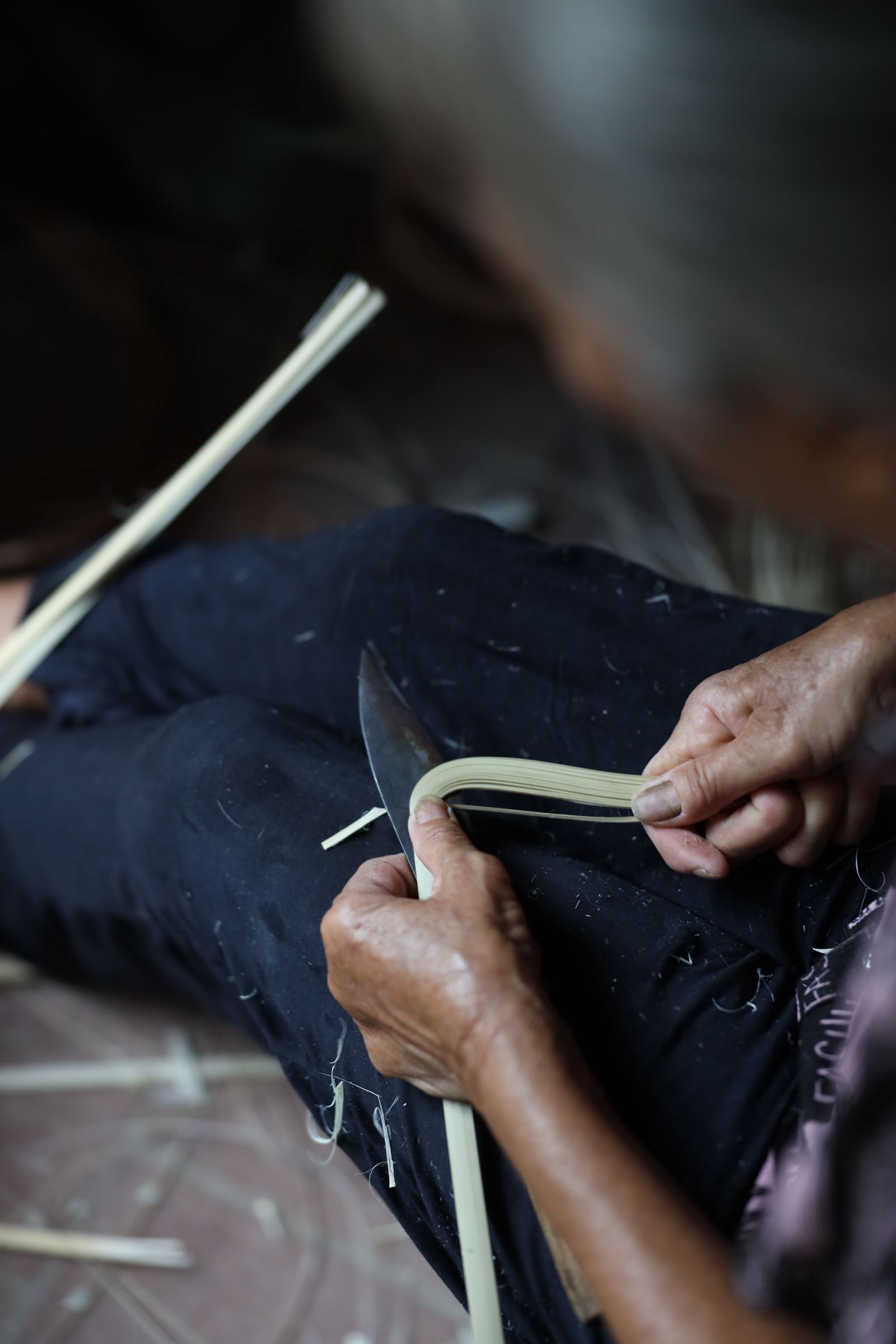
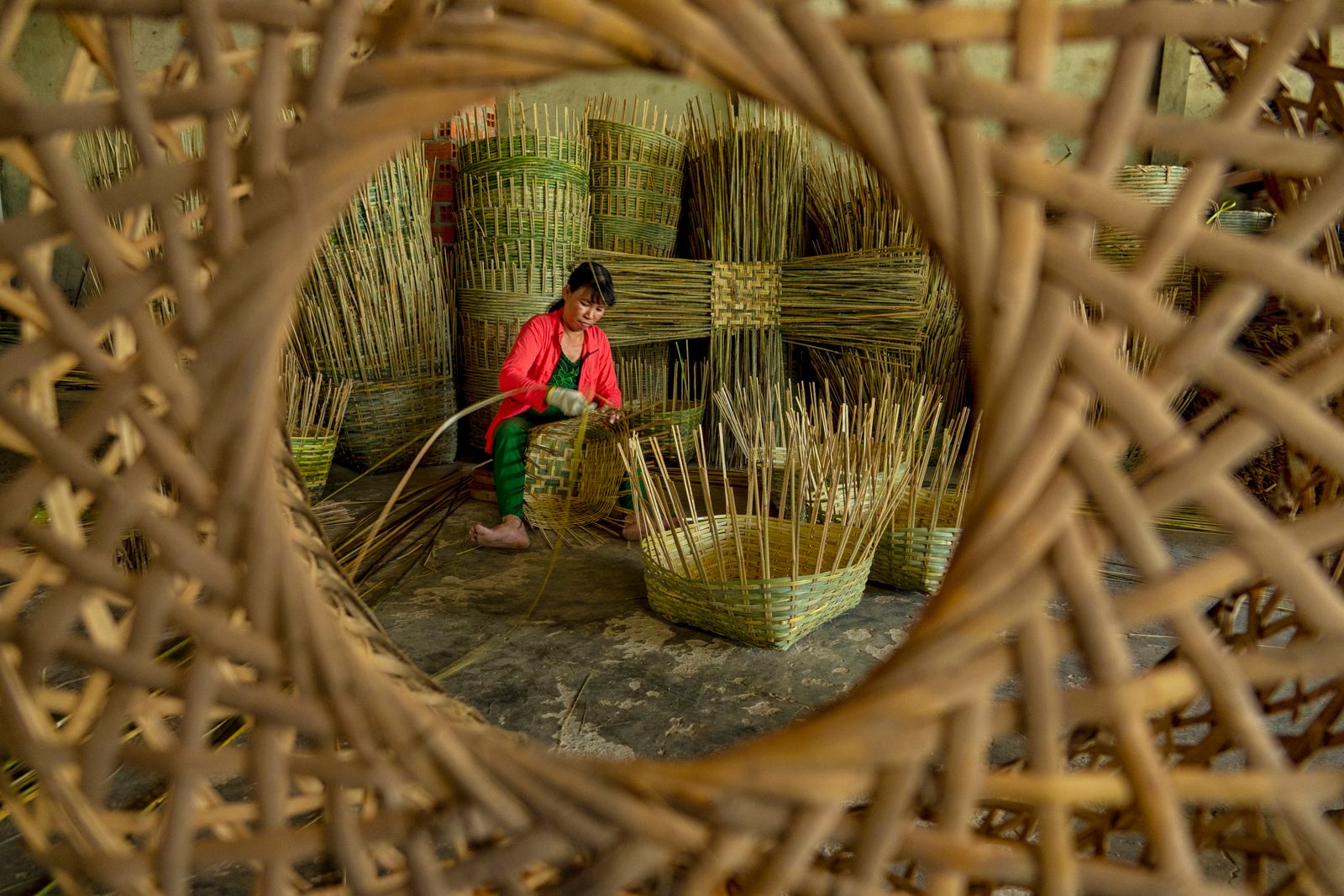
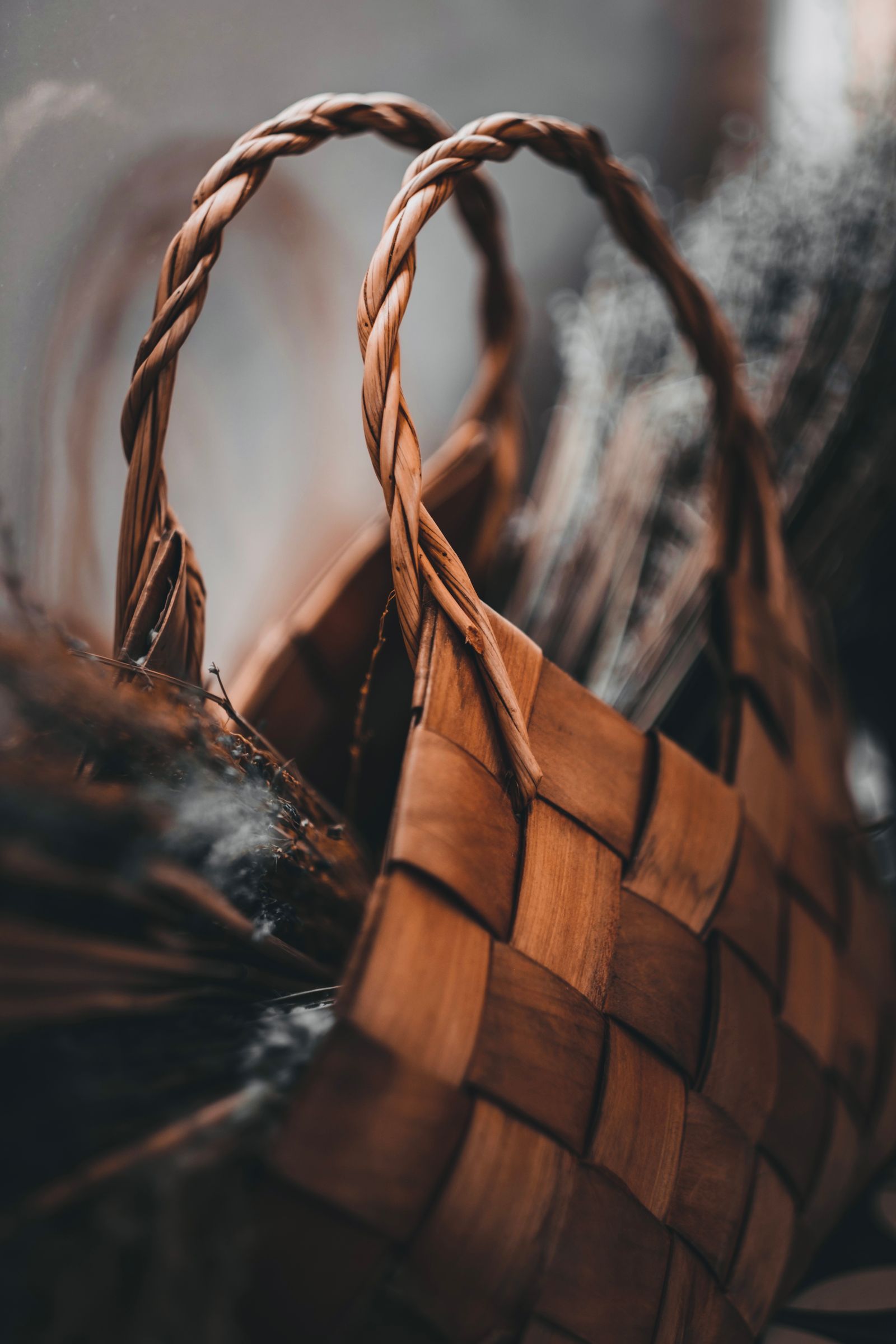
Nothing is skipped.Fifteen is the traditional count; the workshop still keeps every one. A single Heritage mat takes 13 to 18 working days from cut to signature.
Plant dye and slow smoke are drawn into the fibre before the first strip is laid. The result is not a pattern applied to a surface but a tonal range held inside it — five shades of quiet, shifting with the light and deepening with the years.
水墨A craft is not inherited through blood alone. It is inherited through repetition — through a father's hand correcting a son's wrist, ten thousand times, until the motion becomes a kind of knowledge.
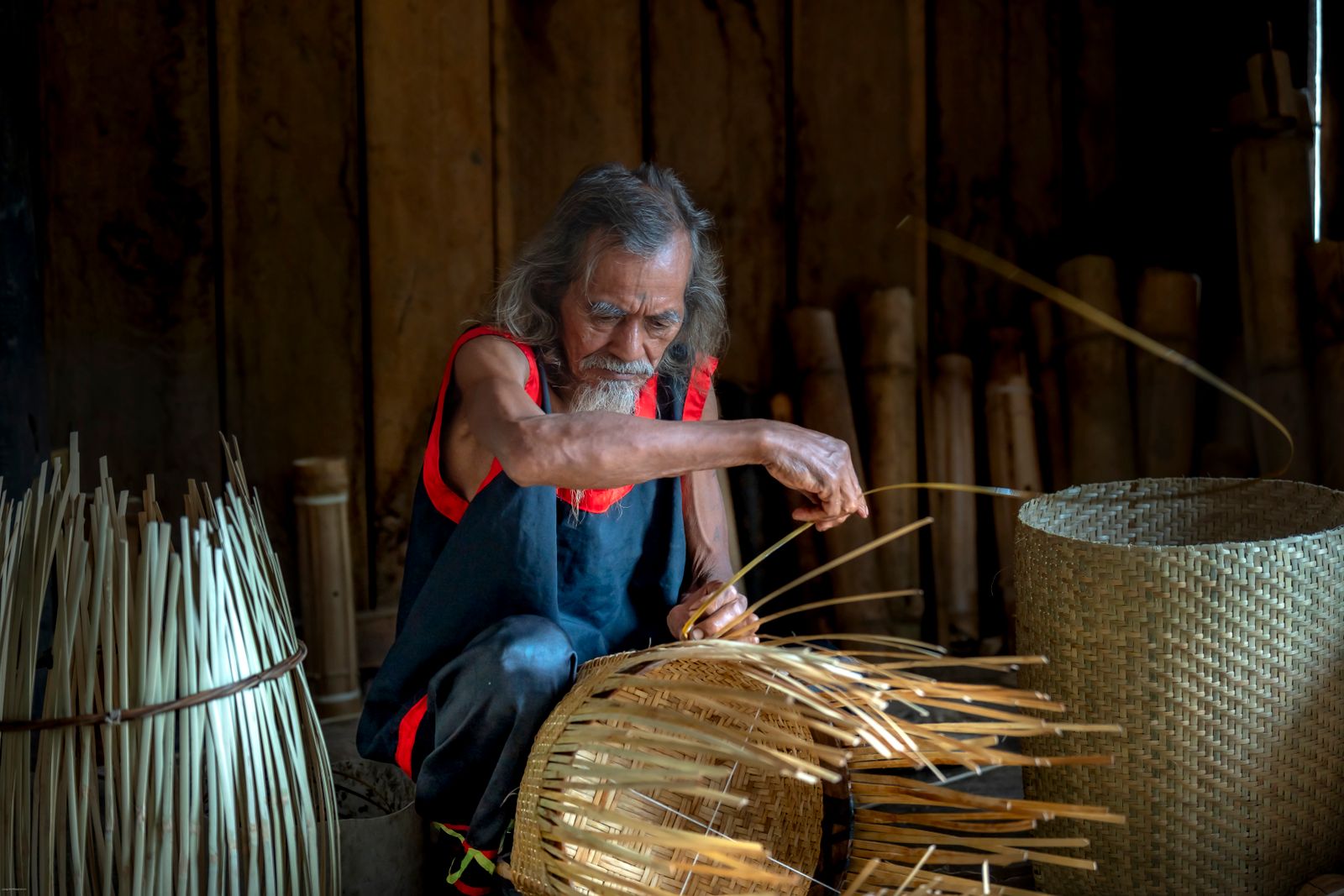
Third-generation weaverNational ICH inheritorLinshui Zhai
“The bamboo remembers every hand that shaped it. My job is to make sure the hand deserves to be remembered.”
Su Chengjun was born in Linshui Zhai in 1963, in a house where the sound of splitting bamboo was as ordinary as rain. He learned the fifteen processes from his father, beginning with the least glamorous: carrying culms, sweeping the floor, watching.
He has now been at the loom for more than four decades. In 2008 he was named a representative inheritor of the national intangible heritage. He still cuts in winter, still calibrates by thumb, and still signs the base of every Heritage edition with a brush and a small clay seal.
His contribution is not only preservation. It is translation — finding the proportions, finishes and formats that let a two-thousand-year-old mat sit naturally in a contemporary room.
Pre-1949 · local utility mats and tribute-pattern work.
From 1980 · fifteen processes, national recognition.
Today · design, documentation and new formats.
Preservation is not the same as relevance. The craft survives because a mat can still do what it has always done: cool a summer table, soften a wooden bench, make a room feel considered.
Three editions meet three kinds of attention.
Entry · 入门
第一次编织 · 材料包
Pre-cut, pre-dyed strips and a fifteen-step booklet. A two-hour introduction to the grammar of the craft — the experience of making, not the burden of sourcing.
Experience narrative
Meet the kit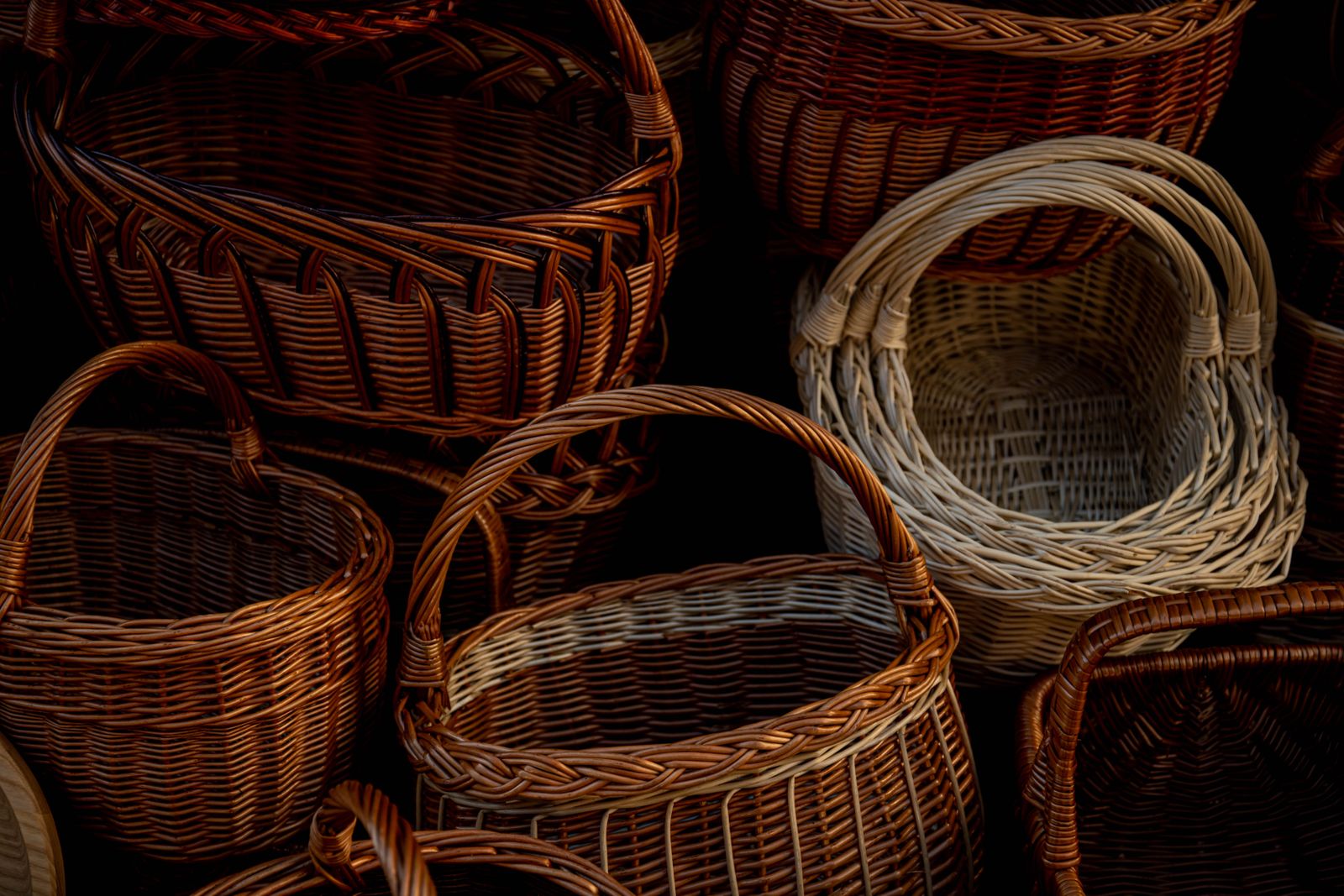 Studio · 进阶
静谧之席 · 空间美学
A larger mat for a tea table, a bench or a window seat. Natural finish, soft herringbone, made to sit under everyday objects and grow quieter with use.
Space narrative
Enter the room
Heritage · 匠作
龙舒匠作 · 限量编号
A numbered edition of fifty, signed by Su Chengjun. Each mat carries a harvest record, a maker's certificate and a written dossier of the lineage behind it.
History narrative
See the edition
Stay in the village, walk the grove at first light, cut and split with the workshop, and sit down to tea on a mat you helped weave. A Skillcation for eight guests at a time.
Enquire about SkillcationThe story continues
Read the journal, meet the maker, or choose the edition that fits the way you live. Every object goes back to the same grove.
龙舒